
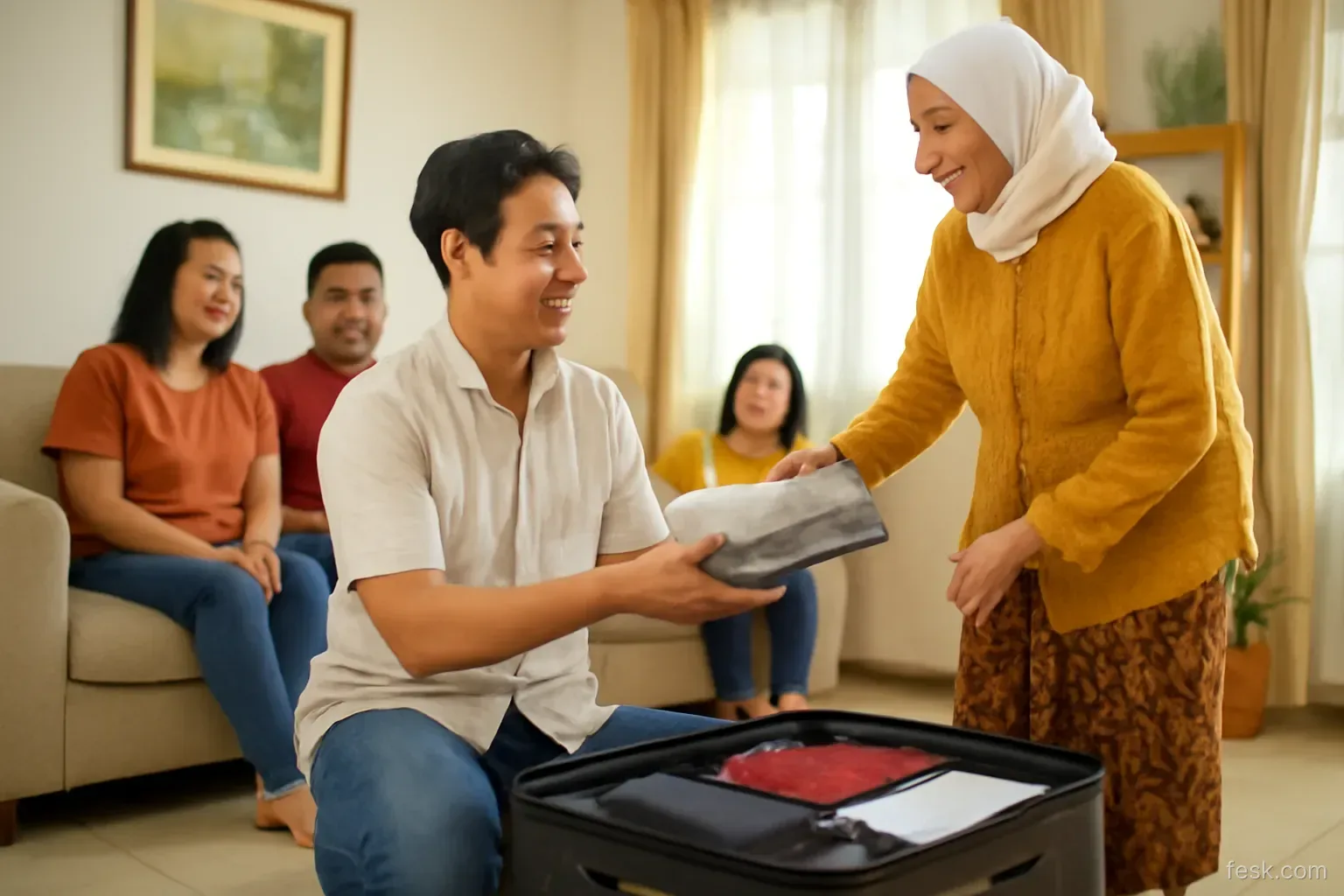
A doctoral student lands on time and clears immigration smoothly, then reaches the admissions office and is asked for the original of her master's certificate. It is in a drawer at home. Her full registration is frozen for three weeks, and with it her library account, her student card and her first stipend payment. Nothing complicated, just one task that belonged in week twelve of the countdown.
This article sets out a twelve-week timeline, milestone by milestone, and ends with what to do in the first 72 hours after landing. Visa and health requirements vary between countries, so check each item against your university's and the relevant consulate's official pages.
Weeks 12 to 9: original documents and academic records
- Reread your offer letter for any remaining conditions (original degree, final transcript, language certificate) and their deadlines.
- Gather originals: passport, degree certificates, transcripts, birth certificate, financial documents. Check your passport's expiry; many countries expect it to remain valid for your whole stay.
- Arrange translations and certified copies if required. These always take longer than expected.
- Scan everything into clear, well-named PDFs and store them in two places: a cloud drive and a separate storage device.
Weeks 9 to 6: health and insurance
- Ask your university and the consulate about vaccination or health check requirements. Some programmes, especially medicine and teacher training, have their own.
- See a dentist and an optician before you go. In many countries these are not covered by basic student insurance.
- If you take regular medication, ask your doctor for a letter and prescription in English listing the active ingredient, not just the brand name. Check the rules for bringing medicines into your destination; some common drugs at home are controlled elsewhere.
- Confirm your health cover: a compulsory university scheme, the national health system or private insurance. Read the exclusions.
Weeks 6 to 3: accounts, money and connectivity
- Activate your university accounts: student email, module registration portal, virtual learning environment. Key messages about orientation often go only to your student email.
- Complete online enrolment if your university allows it before arrival.
- Prepare at least two international payment methods and tell your bank you will be using them abroad.
- Find out how to open a local bank account and what it requires; usually a student status letter and a local address.
- Make sure your phone is unlocked for foreign SIM cards, and move two-factor authentication to an authenticator app if your number will change.
That last point is often missed. If your home bank verifies logins by text message to your old number, you can lose access the moment you swap SIM cards. Switch to app-based verification before you fly.
Weeks 3 to 1: packing for study
| Bring | Leave behind |
|---|---|
| Laptop, charger, backup drive, plug adapters | Printer, external monitor |
| Original documents in hand luggage, never checked in | Your whole shelf of printed textbooks; the library and e-books cover most needs |
| A few weeks of regular medication with the prescription | Large quantities of everyday medicines available locally |
| One smart outfit for presentations and interviews | A complete wardrobe for every season |
| A few small dry foods and familiar spices, within customs rules | Fresh food, meat or dairy, which many countries prohibit |
Check customs rules on food before packing. Declaring honestly is always safer than trying to bring in a banned item.
Hand luggage: your arrival folder
Keep a separate folder that is easy to pull out at the border:
- Passport, visa or residence permit, and offer letter.
- Evidence of funds and insurance as required.
- Confirmation of accommodation for at least the first nights.
- Contact details for the international student office.
Your first 72 hours
- First hour: tell your family you have arrived, get a little cash or activate a transport card, and get to your accommodation.
- Day one: check the room and photograph its condition, buy a local SIM, eat a proper meal and go to bed early to reset your body clock.
- Day two: visit the international student office or enrolment desk with your original documents. Ask about orientation and any mandatory residence registration, with its deadline.
- Day three: register with a doctor or student health service, open a bank account if you have the paperwork, and walk the route from home to your department.
In some countries you must register your address or collect a residence card within a set period after arrival. That deadline is not flexible, so ask about it on day two.
Common mistakes
- Leaving original certificates at home because the scans were accepted during admission.
- Changing SIM cards before moving bank verification to an app.
- Ignoring student email in the three weeks before departure and missing registration slots.
- Overpacking, then paying excess baggage fees that would have bought new items locally.
- Booking a flight that lands the day before classes, leaving no time for registration.
One thing to do now: count back twelve weeks from your flight date, put the milestones above in your phone calendar with reminders, and share a copy with a family member so they can nudge you too. A countdown turns one long list into a few small jobs each week.
Câu hỏi thường gặp
What documents do I need before flying to study abroad?
Typically your passport, visa, offer letter, original degree certificates and transcripts, proof of funds and insurance. The exact list depends on your university and destination, so check the official pages.
Can I bring my prescription medication when studying abroad?
Usually yes for personal use, with a prescription and a doctor's letter in English naming the active ingredient. Check your destination's rules, since some medicines are controlled.
How early should I arrive before my course starts?
Many students arrive a few days to a week before orientation to handle registration, recover from jet lag and settle in. Check your university's orientation dates before booking.
Should I bring textbooks when I move abroad for university?
Usually only a few. The university library and e-resources cover most needs, and excess baggage is expensive.
What should I do first after arriving to study abroad?
Get to your accommodation, contact your family and rest. The next day, take your original documents to the international student office and ask about enrolment and residence registration deadlines.